Beyond Outsourcing: Why the Future of Engineering Depends on Building Better Teams
For more than two decades, Apex, North Carolina-based Indovance has helped architecture, engineering and construction (AEC) firms access specialized engineering talent. Founded in 2003 by Sandesh Joshi, the company has grown to more than 700 engineers and architects, serving clients across all 50 U.S. states and internationally.
As workforce challenges persist and new technologies reshape the industry, Joshi believes traditional engineering outsourcing is experiencing a fundamental shift.
In this Q&A, Joshi shares lessons from building a global business in the Triangle and explains why the future of engineering depends on more than simply finding people to get the work done.
You’ve spent more than 20 years building a global engineering business. What inspired you to start Indovance, and how has the industry changed since then?
When I started Indovance, I saw engineering firms struggling to find skilled professionals to meet project demands. I believed connecting these businesses with specialized global talent could help bridge that gap.
At the time, outsourcing was largely viewed as a way to reduce costs or complete specific tasks. Today, firms need broader expertise, flexibility and the ability to scale without sacrificing quality or collaboration.
As a result, we’re seeing a shift away from simply finding an outsourcing vendor to partnering with a company like Indovance to build high performance glocal teams – a mix of local and global talent to bring the best of both worlds.
What’s the biggest misconception engineering firms have about working with global talent?
That it’s primarily about finding someone who can do the work for less money.
Cost savings have value, but firms that treat global engineers as cheap hours risk getting cheap results. The bigger opportunity is to complement existing teams and expand what they’re capable of delivering.
The real question isn’t where engineers are located. It’s whether they have the expertise, understand your business and can contribute effectively. That’s why Indovance offers a 30-day money-back guarantee. We believe firms should have confidence in the people they’re bringing onto their teams.
What separates a successful global engineering partnership from a traditional outsourcing arrangement?
Integration. There’s a significant difference between sending work to an outside provider and having engineering professionals who operate as an extension of your organization.
Successful partnerships require clear expectations, aligned workflows, consistent communication and accountability. At Indovance, for example, we provide clients with real-time visibility into project progress so they can stay connected to their teams, regardless of time or location.
Technology makes this level of coordination easier, but the human element remains essential. Trust develops through open communication, reliable performance and shared goals.
With AI and other technologies transforming engineering workflows, how should firms think about the relationship between technology and talent?
I’ve watched engineering evolve through major technological shifts, from CAD to building information modeling and now AI. Each has created opportunities to work more efficiently, but technology alone doesn’t solve capacity challenges.
AI can automate tasks and accelerate workflows, but engineering still requires technical judgment, problem-solving and an understanding of how decisions affect the broader project.
Firms should invest in technology and workforce development together. The companies benefiting most from AI won’t necessarily be those adopting the most tools, but those with people who know how to use them effectively.
What advice would you offer engineering and architecture firms in the Carolinas as they navigate workforce challenges and prepare for future growth?
Don’t let traditional hiring models limit your ability to grow. Think glocal, not local.
The Carolinas continue to attract businesses and development, creating opportunities for engineering and architecture firms. Capitalizing on those opportunities requires access to the right expertise at the right time.
Think strategically about how local and global talent can work together. That’s thinking and working glocally. Today, your customers also expect you to be glocal, to bring the best talent and technology together on their projects. Build adaptable teams, invest in collaboration and prioritize long-term relationships over short-term staffing solutions.
The future isn’t about choosing between local and global talent. It’s about bringing the right people together to deliver better results.
To learn more about Indovance and its “Global Talent for Glocal Companies” approach, visit indovance.com.
Beyond Outsourcing: Why the Future of Engineering Depends on Building Better Teams
For more than two decades, Apex, North Carolina-based Indovance has helped architecture, engineering and construction (AEC) firms access specialized engineering talent. Founded in 2003 by Sandesh Joshi, the company has grown to more than 700 engineers and architects, serving clients across all 50 U.S. states and internationally.
As workforce challenges persist and new technologies reshape the industry, Joshi believes traditional engineering outsourcing is experiencing a fundamental shift.
In this Q&A, Joshi shares lessons from building a global business in the Triangle and explains why the future of engineering depends on more than simply finding people to get the work done.
You’ve spent more than 20 years building a global engineering business. What inspired you to start Indovance, and how has the industry changed since then?
When I started Indovance, I saw engineering firms struggling to find skilled professionals to meet project demands. I believed connecting these businesses with specialized global talent could help bridge that gap.
At the time, outsourcing was largely viewed as a way to reduce costs or complete specific tasks. Today, firms need broader expertise, flexibility and the ability to scale without sacrificing quality or collaboration.
As a result, we’re seeing a shift away from simply finding an outsourcing vendor to partnering with a company like Indovance to build high performance glocal teams – a mix of local and global talent to bring the best of both worlds.
What’s the biggest misconception engineering firms have about working with global talent?
That it’s primarily about finding someone who can do the work for less money.
Cost savings have value, but firms that treat global engineers as cheap hours risk getting cheap results. The bigger opportunity is to complement existing teams and expand what they’re capable of delivering.
The real question isn’t where engineers are located. It’s whether they have the expertise, understand your business and can contribute effectively. That’s why Indovance offers a 30-day money-back guarantee. We believe firms should have confidence in the people they’re bringing onto their teams.
What separates a successful global engineering partnership from a traditional outsourcing arrangement?
Integration. There’s a significant difference between sending work to an outside provider and having engineering professionals who operate as an extension of your organization.
Successful partnerships require clear expectations, aligned workflows, consistent communication and accountability. At Indovance, for example, we provide clients with real-time visibility into project progress so they can stay connected to their teams, regardless of time or location.
Technology makes this level of coordination easier, but the human element remains essential. Trust develops through open communication, reliable performance and shared goals.
With AI and other technologies transforming engineering workflows, how should firms think about the relationship between technology and talent?
I’ve watched engineering evolve through major technological shifts, from CAD to building information modeling and now AI. Each has created opportunities to work more efficiently, but technology alone doesn’t solve capacity challenges.
AI can automate tasks and accelerate workflows, but engineering still requires technical judgment, problem-solving and an understanding of how decisions affect the broader project.
Firms should invest in technology and workforce development together. The companies benefiting most from AI won’t necessarily be those adopting the most tools, but those with people who know how to use them effectively.
What advice would you offer engineering and architecture firms in the Carolinas as they navigate workforce challenges and prepare for future growth?
Don’t let traditional hiring models limit your ability to grow. Think glocal, not local.
The Carolinas continue to attract businesses and development, creating opportunities for engineering and architecture firms. Capitalizing on those opportunities requires access to the right expertise at the right time.
Think strategically about how local and global talent can work together. That’s thinking and working glocally. Today, your customers also expect you to be glocal, to bring the best talent and technology together on their projects. Build adaptable teams, invest in collaboration and prioritize long-term relationships over short-term staffing solutions.
The future isn’t about choosing between local and global talent. It’s about bringing the right people together to deliver better results.
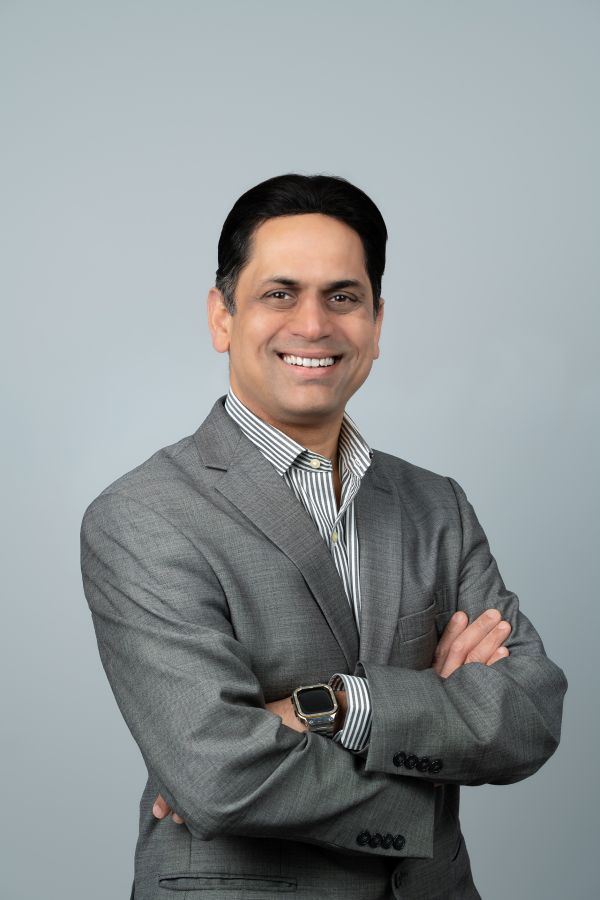
Photo: Sandesh Joshi, Founder and CEO, Indovance
To learn more about Indovance and its “Global Talent for Glocal Companies” approach, visit indovance.com.