
Pocket Parks, Big Impact: How Small Urban Green Spaces Strengthen Carolina Communities
In cities across the Carolinas, a quiet but powerful shift is taking place. As urban areas grow denser and development accelerates, municipalities and designers are rethinking what it means to build healthy, resilient, and connected communities. A quiet hero in that effort isn’t massive regional parks or sweeping greenbelt systems, it’s the pocket park.
These smaller-scale green spaces are proving to be some of the most versatile, equitable, and high-value investments a city can make. They cool neighborhoods, support stormwater runoff, support mental health, and spark economic vitality. In many cases, they do all of this in spaces no larger than a quarter-acre lot.
SeamonWhiteside (SW+) has spent four decades designing community spaces across the Southeast, and pocket parks represent an essential piece of the future urban landscape. Anytime we create places that aren‘t paved or built over, we’re automatically addressing flooding, heat, and quality of life for the people enjoying the area
The Urban Challenges Pocket Parks Quietly Solve
Even the smallest pocket parks help cities tackle some of their most persistent issues: stormwater and heat.
Charleston, Raleigh, Greenville, and other high-growth regions face increasing flooding concerns. Small green spaces offer a practical release valve. By replacing impervious surfaces with plants, pervious paving, and thoughtfully designed soils, these spaces give stormwater somewhere to go. A small park provides opportunity for infiltration, so anytime site designers allocate a space that can receive runoff rather than generate it, you’re minimizing impacts to public infrastructure.
Pocket parks also combat urban heat. Trees, shade structures, and layered planting reduce temperatures and create microclimates that offer relief in tightly built areas. The science is already well documented: tree canopy creates cooler conditions, and well-designed urban planting reduces both ambient and radiant heat.
Designing Green Spaces That People Actually Use
Not every green space serves the same purpose. Some invite quiet rest; others energize an area. Understanding scale is key since it determines how the park will meet human needs. The bigger it feels, the more multifunctional it can be.
At any size, the design fundamentals remain the same:
- Make it welcoming. People must feel safe, comfortable, and invited.
- Create zones for different activities. From reading to people-watching to informal play, multifunctionality helps the park serve more residents.
- Allow flexibility. Moveable furniture, open lawns, shaded seating, and adaptable layouts dramatically influence how the space thrives over time.
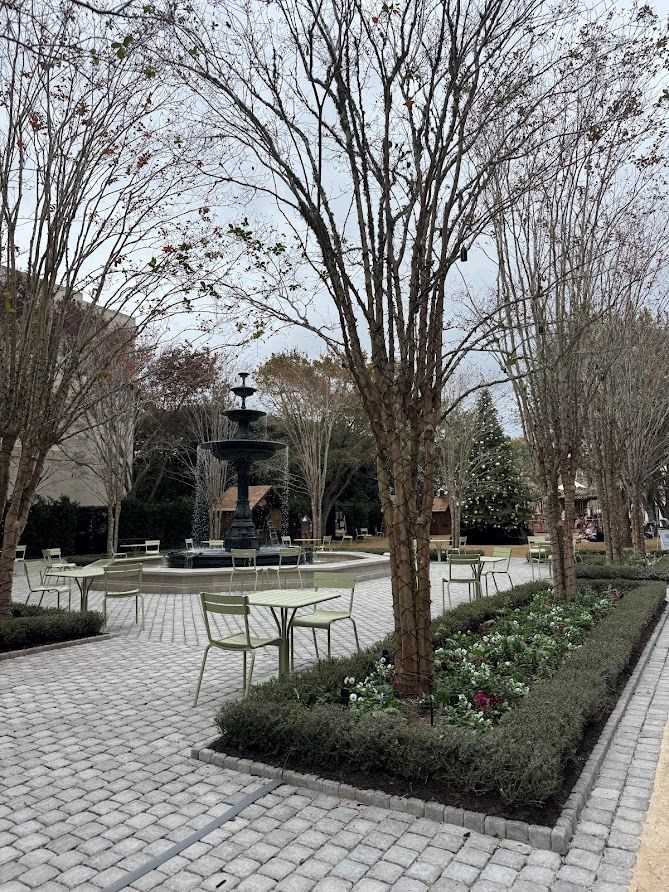
Small features like trash receptacles, benches, and water fountains may seem insignificant in planning stages, but they shape user experience in profound ways. Even small accessories can bring vibrancy and vitality to a space, like American Gardens in Charleston, and make it feel more personal and special.
Mental Health Benefits That Cities Can’t Afford to Ignore
While the environmental benefits of pocket parks are compelling, the human benefits are equally as beneficial.
Research shows that exposure to nature positively impacts stress, heart rate, mood, and cognitive function. Seeing, smelling, hearing, and touching plants has scientifically documented benefits. This isn’t just a ‘kumbaya moment,’ we have a substantial body of quantitative and qualitative evidence to support it.
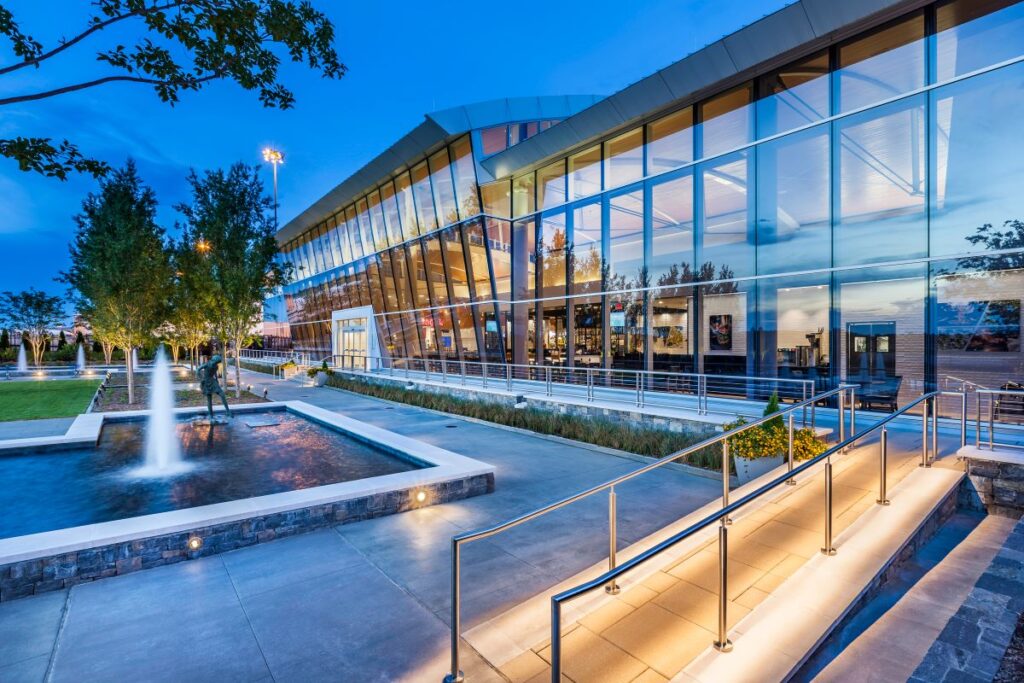
Rustling leaves, moving water, the calming scent of flowering plants, and other sensory elements aren’t just aesthetic choices; they should be used intentionally to support public health. SW+ is leaning into this research to shape greener, healthier urban environments, even around airports like GSP Airside Garden in Greenville. This is an exciting area of design, and there’s so much room for growth in this area.
How Green Spaces Strengthen Local Economies
Pocket parks also support healthy communities from an economic standpoint. Businesses benefit when workers and customers have access to attractive outdoor spaces because these spaces drive foot traffic, encourage lingering, and improve the desirability of mixed-use areas. They also help stabilize property values and support long-term growth strategies. A business located next to a park is a tremendous entrepreneurial opportunity.
Forward-looking developers are increasingly recognizing this and embracing open space within their projects as a competitive advantage.
Planning for Long-Term Sustainability
Pocket parks must also be planned for the future. One of the biggest challenges is maintaining the space. Cities will fund a wonderful park, but they may not plan for the cost of upkeep over time. Within their plans, designers should consider:
- Integrating revenue-generating uses
- Establishing maintenance agreements or conditions tied to adjacent development
- Leveraging zoning tools to require green space contributions
- Designing spaces that balance durability and aesthetic
A Green Future for Carolina Cities
As growth accelerates, demand for equitable access to nature will only intensify. People increasingly want to live near green space. Cities that prioritize this will thrive; those that don’t may struggle to attract and retain residents. The industry is increasingly recognizing the importance of green space, and the future for parks in cities is extremely bright.
Pocket parks may be small. But their impact—environmental, social, and economic—is monumental. They represent a smarter, more human approach to urban environments. In the Carolinas, the question is no longer if we can afford to build green spaces, but how much longer we can afford to build without them.
For more information about SeamonWhiteside or to get in touch, visit SeamonWhiteside.com, sign up for the newsletter, or keep up with their latest projects and news on LinkedIn, Instagram, and Facebook.

About the Author — J. Lee Gastley is a graduate of the University of Georgia School of Environmental Design. After graduation, he practiced resort design on Hilton Head Island for two years. In 1983, Lee was enticed by Kenny Seamon and Stuart Whiteside to become the first employee of their fledgling firm. He now serves as a managing principal of the firm, and for several years, acted as the director of landscape architecture, responsible for all aspects of the design process and staff oversight. When not busy herding cats, he enjoys golf, running, and proclaiming, “Go You Hairy Dawgs!”



