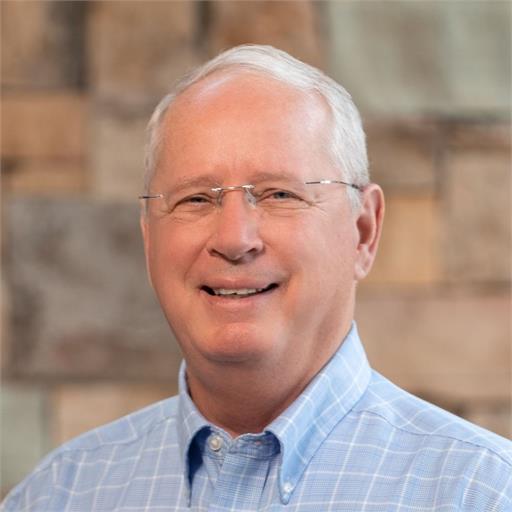
Richard Alsop, Jr., FAIA: What I Learned about Life Balance from the Oldest Person I Ever Met
What I learned about life balance from the oldest person I ever met.
On Friday, March 27, I spent the day with the oldest person I have ever known, my dad, celebrating his 101st birthday.
Raised during the Depression, he enlisted in the US Navy in June 1942 at just over 17, the same age my youngest grandson is today. He flew missions across the Atlantic, confronting Nazi submarines. His flight log records more than three hundred sorties, sometimes noting simply, “sighted submarine, sank same.”
That generation set a standard for mine: no idle time, high standards for everything attempted, and a readiness to elevate the less fortunate. Those habits: discipline, responsibility, service, were not separate from life; they were life.
Recently, in our AIANC Writers Circle, we talked about “work life balance.” We concluded the term often implies work is the interruption and life is the reward: work must stop so life can begin.
An instructor at UNCC in the early 70’s reframed that for me when she explained the difference between a job and a profession. “You will never be an architect until you start to think of yourself as one,” she said. Licensing matters legally, but the identity matters first. When you accept “I am an architect,” you begin to see the world through that lens, constantly evaluating how buildings affect people and how design can protect the natural environment. How you dress, how you talk, how you engage, these choices reflect that identity.
That professional self is not a clock you punch. It’s a stance you carry into family life, into civic life, and into the decisions you make about the built environment. The work of defending our profession, mentoring the next generation, advocating for safe and sustainable policy, and stewarding public trust requires participation.
My father remained inventive for many years; at 95 he was awarded a US patent. Now his memory fades; days are quiet, punctuated by small conversations. Still, the example endures: a life shaped by purpose and responsibility, lived without drawing a hard line between “work” and “life.”
If the profession is to survive and thrive, we must pass that orientation forward, not by nostalgia, but by inviting younger architects to claim the identity and the responsibilities it carries. AIA needs your time, your voice and your judgment. Bring your standards, your creativity, and your compassion. Help shape the future you’ll live in.

This commentary originally appeared in AIA North Carolina‘s News & Notes, April 2026. Reprinted with permission.
NOTE: Soon after publication of this moving tribute, Alsop’s father passed away (on Saturday, April 11). Alsop told GroundBreak Carolinas, “In December of last year, I would have taken odds on him making it to 104. But he decided otherwise, leaving 30 descendants to carry his life lessons forward.”